Choose a Camping Lantern by Light Quality, Controls and Power
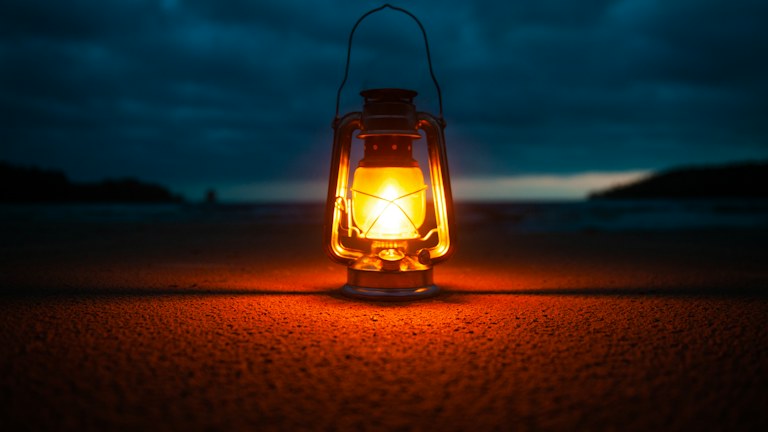
Photo: Vladimir Fedotov / Unsplash License. Stock photograph for illustration; no product endorsement is implied.
A camping lantern should make a useful area visible without turning the campsite into a glare-filled stage. The right choice depends on whether you need to cook, read, find equipment or share a table after dark. Maximum brightness is only one consideration. Low settings, beam distribution, stable placement and a dependable power routine often matter more during an ordinary evening.
This guide focuses primarily on electric lantern selection and does not claim hands-on testing of particular models. Follow the exact product's instructions and the site's current rules. Any stock photograph is illustrative; a pictured fuel lantern should not be interpreted as a recommendation for use inside a tent or other enclosed space.
In this guide
- Define the area and task
- Look for useful low settings
- Evaluate diffusion and direction
- Compare power options with the trip
- Plan a backup light separately
- Inspect hanging and standing stability
- Read weather-resistance claims carefully
- Keep fuel appliances in a separate decision category
- Respect the surrounding campsite
- Test the evening routine before traveling
Define the area and task
Decide whether the lantern will light a small table, a tent interior where permitted for the device, or a larger outdoor gathering area. A general area light is different from a headlamp used for walking or hands-free tasks. Many outings benefit from separate tools for those roles rather than expecting one lantern to do everything.
Think about the number of people using the light and where they will sit. A bright source at eye level can be uncomfortable even when it illuminates the table. A lower setting or a better position may be more useful than additional output. Plan the intended placement before comparing brightness figures in isolation.
Look for useful low settings
A lantern should offer a level suitable for the quiet parts of the evening as well as a brighter setting when needed. Check how low it can be adjusted and whether the light remains pleasant and stable. A model that jumps from off to very bright can be inconvenient when somebody else is sleeping or when you want to preserve the atmosphere of the campsite.
Read how the controls cycle through modes. If every adjustment requires passing through flashing or extremely bright settings, ordinary use may be frustrating. A simple brightness control can be more practical than numerous novelty modes. Choose the behavior you will use repeatedly rather than counting the total number of settings advertised.
Evaluate diffusion and direction
A diffuser can spread light around an area, while some designs provide more directional illumination. Consider whether the task needs broad visibility or focused light on a surface. Product images may make every lantern appear softly glowing, so look for detailed information or demonstrations that show the actual distribution.
Check how the lantern behaves when hung above a table or placed beside it. A design can create shadows directly below its base or expose a bright source from certain angles. The useful question is whether people can see the task without looking into an uncomfortable light. Placement and design work together; neither should be judged alone.
Compare power options with the trip
Rechargeable lanterns, replaceable-battery models and designs supporting more than one power route each have different maintenance needs. Choose according to trip length, available charging and the supplies you are prepared to carry. A rechargeable device can be convenient for regular short trips, while other arrangements may suit a different routine.
Read runtime claims at the relevant brightness setting. A long maximum duration may refer to a very low mode, not the level needed for your main task. Check charging time and connector requirements too. If the lantern can charge a phone, understand how that affects its own remaining capacity rather than treating the feature as free additional power.
Plan a backup light separately
Do not make one device responsible for every lighting need on an outing. An appropriate backup helps if the lantern is depleted, damaged or temporarily unavailable. The exact preparation depends on the activity and local guidance, but a shopping decision should acknowledge that equipment can fail.
Check the lantern before departure and include any required charging cable or suitable spare batteries. Store power supplies as their manufacturers direct. Avoid mixing or improvising battery types to extend runtime. A dependable routine begins with equipment prepared for its intended use, not with trying to repair an unexpected power problem after dark.
Inspect hanging and standing stability
Look at the base, handle and hanging mechanism. A lantern placed on a table should sit securely, while a hanging design needs an appropriate attachment point and must be used within its instructions. Consider how the controls can be reached in either position without knocking or dropping the device.
Check the weight and whether the handle is comfortable for carrying. A folding feature can save space, but it should not make operation confusing. If the lantern is likely to be moved frequently between a table and a shelter, try that routine during an indoor test. Small handling details become more important when visibility is limited.
Read weather-resistance claims carefully
Outdoor use does not mean every lantern tolerates every kind of rain, dust or temperature. Check the product's protection rating and the conditions attached to it. Charging ports and battery compartments may need covers properly secured. Follow the instructions for drying and charging after exposure.
Do not deliberately immerse, drop or expose the lantern beyond its stated limits to test a claim. A weather-resistant design supports appropriate use; it is not a guarantee against all damage. Consider the expected conditions and choose a suitable product while still planning a sensible storage and backup arrangement.
Keep fuel appliances in a separate decision category
Fuel-burning lanterns introduce combustion, hot surfaces and fuel-handling requirements that electric lanterns do not share. Follow authoritative safety guidance, the manufacturer's instructions and local restrictions. Never use fuel-burning lighting in a tent or enclosed space where dangerous gases or fire can become a risk.
If you are unfamiliar with fuel equipment, do not choose it solely for its appearance in camping photographs. Consider whether a suitable electric option meets the task with a simpler routine. This guide's discussion of brightness, controls and portability does not replace the specific training and precautions required for a fuel appliance.
Respect the surrounding campsite
Use only as much light as needed and direct it thoughtfully. Avoid shining into neighboring pitches or disturbing people who are enjoying a darker setting. Check local rules and environmental guidance where you camp. A powerful lantern should provide flexibility, not an obligation to operate at its brightest setting all evening.
Consider how the light will be used during packing and quiet hours. A low mode can be helpful for finding a nearby item without illuminating the entire area. Thoughtful use improves the experience for your group and others, and it often makes the lantern's controls and low-level performance more important than the maximum output.
Test the evening routine before traveling
At home, check the controls, charging, carrying and placement using the instructions. Try the light at the levels you expect to use and confirm that everyone who needs it can operate it. Complete this check before the trip rather than opening an unfamiliar product for the first time at the campsite.
A good lantern fits the task, provides comfortable light and has a power arrangement you can maintain. Choose it alongside an appropriate backup and responsible use. The result should be a more practical evening outdoors, not simply a brighter photograph of the equipment.