Choose a Watch Band by Fit, Fastener and Daily Routine
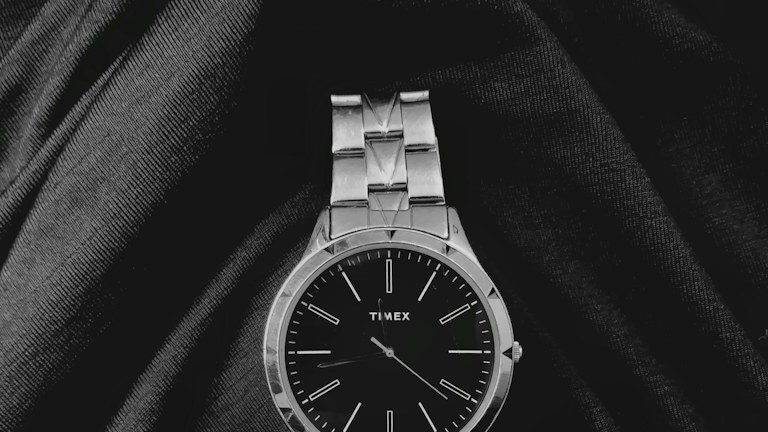
Photo: Puru Raj / Unsplash License. Stock photograph for illustration; no product endorsement is implied.
A watch band can change how a watch feels more than its appearance suggests. A strap that looks appealing in a photograph may leave the case sliding around, make the clasp difficult to operate or remain damp after an ordinary activity. The useful choice begins with compatibility and fit, then considers material, fastening and maintenance.
This guide addresses everyday selection rather than medical advice or a claim that specific bands have been tested. Check the watch manufacturer's current compatibility guidance and the band's stated dimensions. Stock photography is illustrative and does not establish the fit or suitability of a pictured product for your watch.
In this guide
- Verify the connection to the watch
- Measure for the complete fit
- Match material to routine and care
- Consider skin comfort without making assumptions
- Compare fastening systems by actual use
- Think about weight and case balance
- Check cleaning and replacement support
- Evaluate third-party listings carefully
- Test comfort through ordinary activities
Verify the connection to the watch
Find the exact watch model and the required attachment system. Some watches use standard spring bars or other familiar arrangements, while others require a proprietary connector. Similar-looking bands are not necessarily interchangeable. Confirm the relevant width, connector generation and case compatibility through the manufacturer's information before ordering.
Do not force a band into place or modify a connector to make it appear to fit. An insecure attachment can put the watch at risk of falling. If installation requires tools or unfamiliar handling, use the instructions or an appropriate service provider. Compatibility is a requirement that style cannot compensate for, even when the difference between two listings looks minor.
Measure for the complete fit
Check the band's supported wrist range and account for the watch case as part of the fit. A band length alone may not describe how the complete watch sits. If you are between adjustment positions, consider whether the fastening system provides enough flexibility. A fit that is slightly inconvenient at first can become noticeable over a full day.
The band should allow comfortable ordinary movement without being deliberately tightened to compensate for a poor size match. For a smartwatch with sensors, follow the device manufacturer's wearing guidance. Do not assume that tighter always means better data. If the watch cannot sit comfortably within the band's available range, choose a different size or design.
Match material to routine and care
Think about the activities the band will encounter: office work, washing hands, exercise, outdoor use or occasional dress wear. Materials differ in how they feel, clean and dry. Read the maker's care instructions and any restrictions rather than treating a general material name as a complete description of performance.
A fabric band may offer one kind of feel while a metal bracelet or flexible synthetic strap offers another. Personal preference matters, but so does the maintenance you will realistically perform. A band that requires careful drying or specialized cleaning may not suit a routine in which it is frequently exposed to conditions you cannot easily manage.
Consider skin comfort without making assumptions
Pay attention to materials that contact the skin, including the clasp and connector rather than only the main strap. If you know you react to a particular material, check the manufacturer's disclosure and seek appropriate advice where needed. Marketing terms about comfort or suitability should not be treated as a guarantee for every person.
Stop wearing a band that causes persistent irritation and follow suitable health guidance rather than trying to solve the problem by tightening or covering it. Keep the band and skin clean and dry according to the product instructions. This is a practical care consideration, not a promise that one material is medically superior to every alternative.
Compare fastening systems by actual use
A buckle, clasp, hook-and-loop closure and elastic design each creates a different adjustment and removal experience. Think about whether you can operate the fastener comfortably with one hand and whether it stays secure during ordinary movement. Small tabs or stiff catches may be inconvenient for some users even when they look elegant.
Check how excess material is managed. A loose strap end can catch on clothing, while a bulky clasp may press against a desk during typing. If possible, try the watch in the positions you use most often. A fastener should be judged as part of the daily routine, not only by how neatly it closes in a product demonstration.
Think about weight and case balance
A heavier bracelet can change the feel of a light watch, while a very light strap may make a large case feel more prominent. Neither is inherently wrong, but the balance affects comfort. Consider the watch's size and how it sits on your wrist rather than selecting the band in isolation.
If you change bands frequently, compare the effort and tools required. A quick-release system can be convenient when designed for the watch, but it still needs correct installation and inspection. Keep small components organized and use compatible replacements. Frequent changes should not become an excuse to overlook whether the attachment is fully secured each time.
Check cleaning and replacement support
Read the care instructions before purchase and decide whether they fit your habits. Some bands tolerate simple cleaning while others need more careful handling. Do not assume that a water-resistant watch makes every attached band suitable for the same exposure. The watch and strap can have different limitations.
Look for clear model identification and a support route, especially for proprietary connectors. Replacement keepers, links or other small components may be relevant to long-term use. A low initial price can be less attractive if a minor broken part requires replacing the whole band and suitable replacements are difficult to identify.
Evaluate third-party listings carefully
Check dimensions, connector details, materials and the seller's return policy. A listing that repeats a long range of watch names without clear specifications deserves closer inspection. Product photographs may show a similar watch without proving exact compatibility. Prefer enough detail to verify the fit rather than relying only on a compatibility keyword in the title.
Read reviews for concrete observations about sizing, fastening and durability under conditions similar to yours. Treat broad praise or complaints without model context cautiously. A sizing problem for one wrist or watch combination may not apply to another, but repeated descriptions of an insecure connector are worth taking seriously and investigating before purchase.
Test comfort through ordinary activities
After installation, confirm the attachment according to the instructions and wear the watch through a normal, low-risk routine. Notice typing, bending the wrist, putting on a sleeve and removing the band. Check whether the adjustment remains comfortable over time rather than deciding from a brief first impression.
A suitable band keeps the watch secure, feels manageable and fits the maintenance you are willing to perform. Style remains part of the choice, but it works best after compatibility and comfort are established. The right accessory should make wearing the watch easier, not require constant readjustment or uncertainty about the fastening.